solo performances
Sounds of Resistance
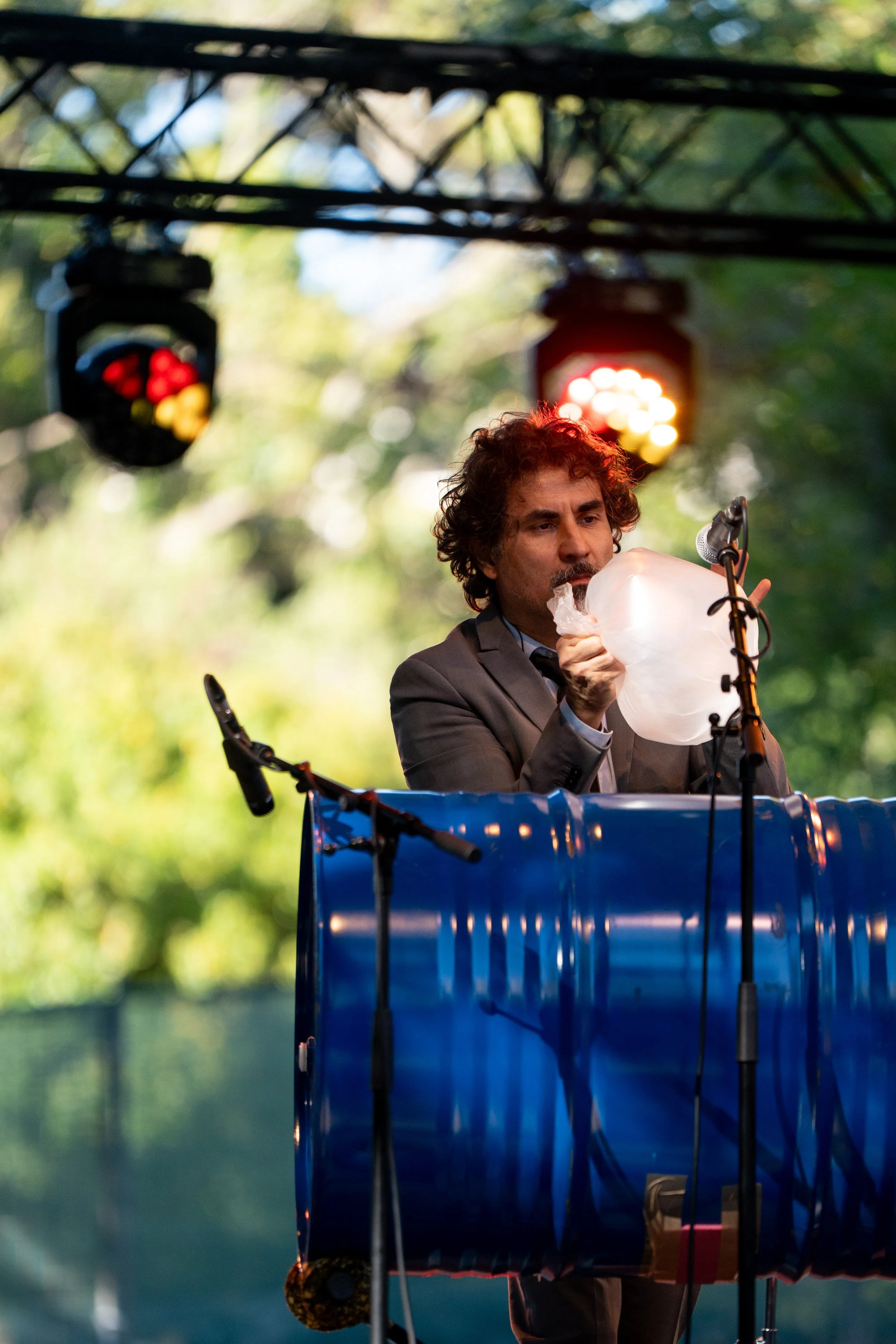
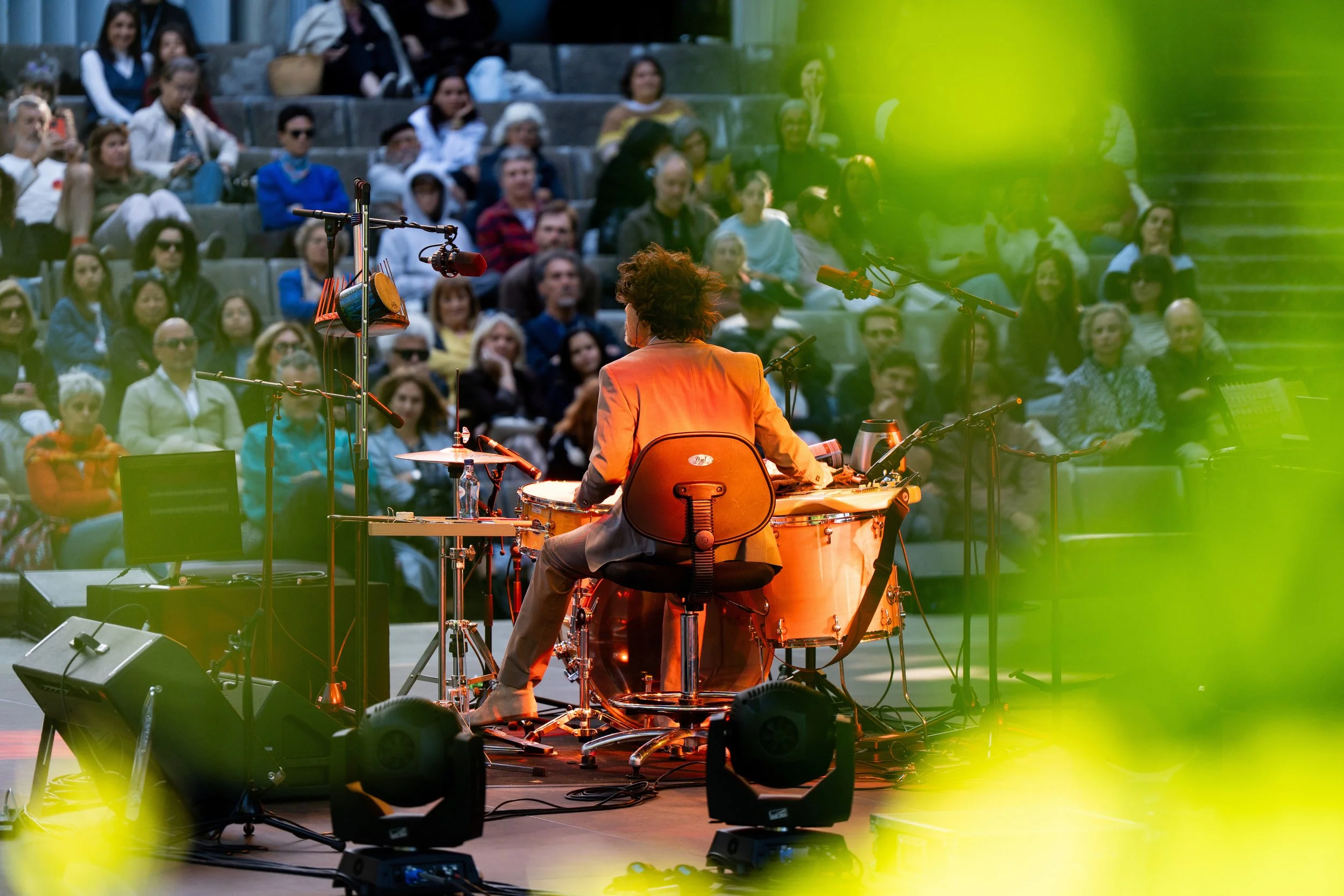
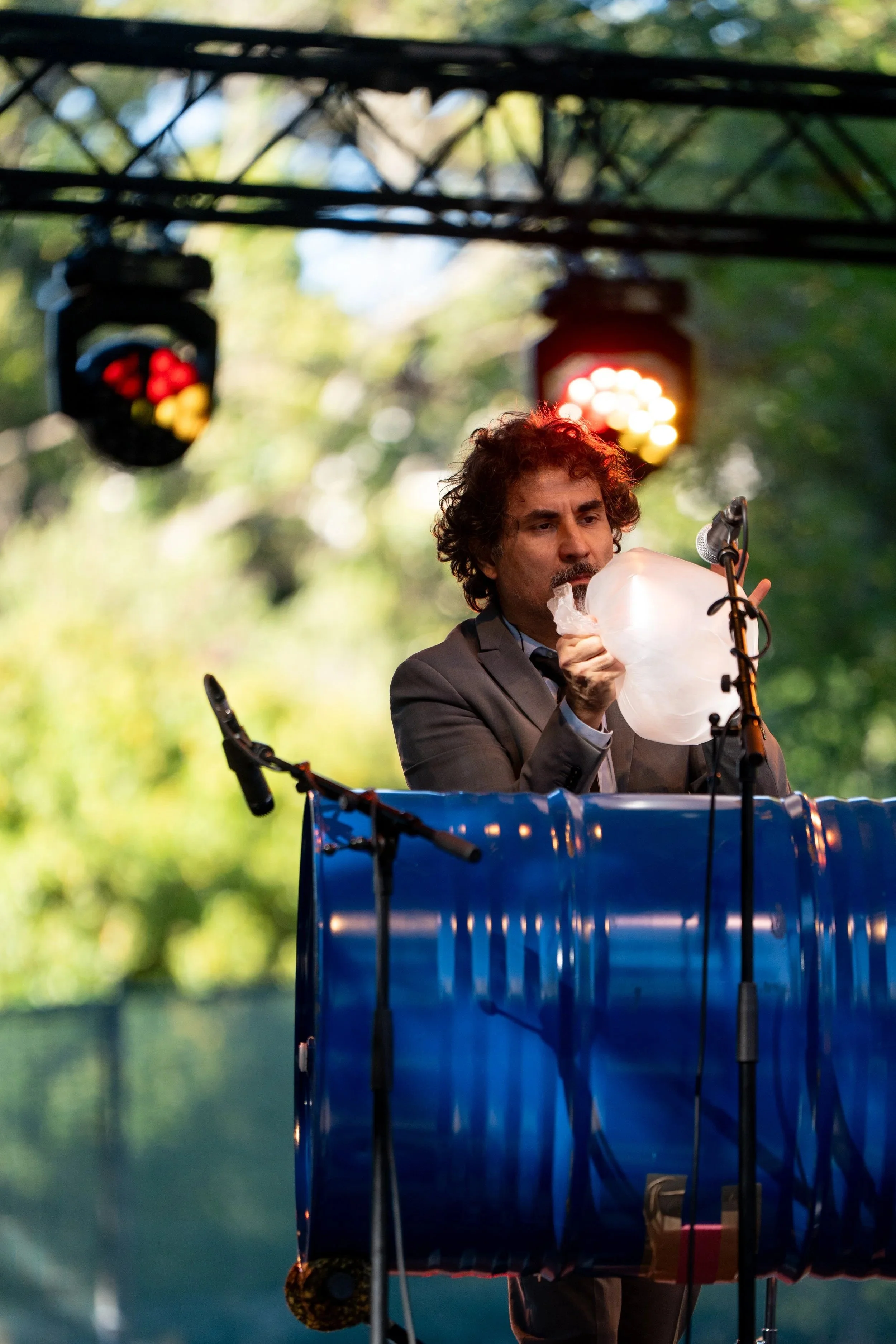
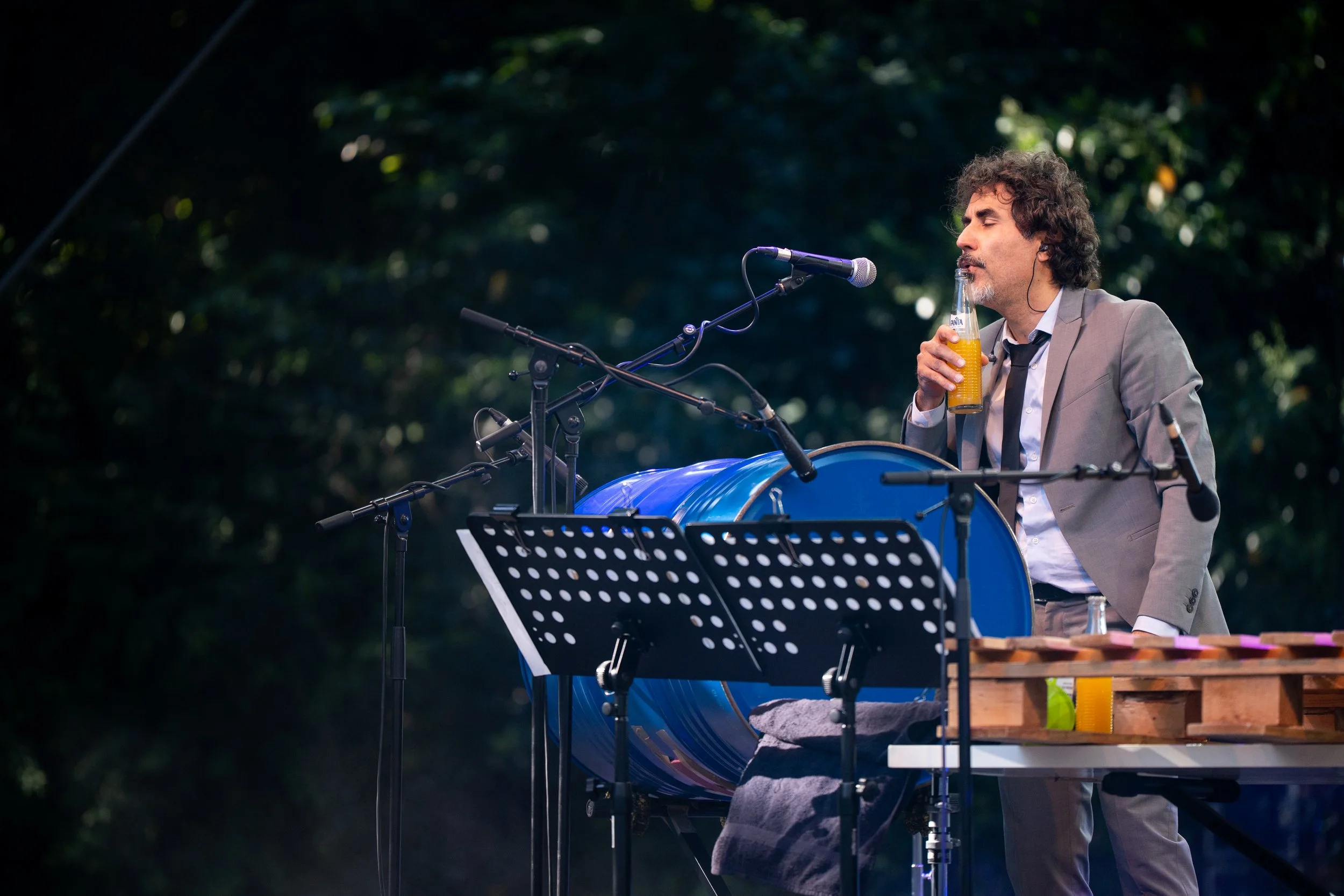
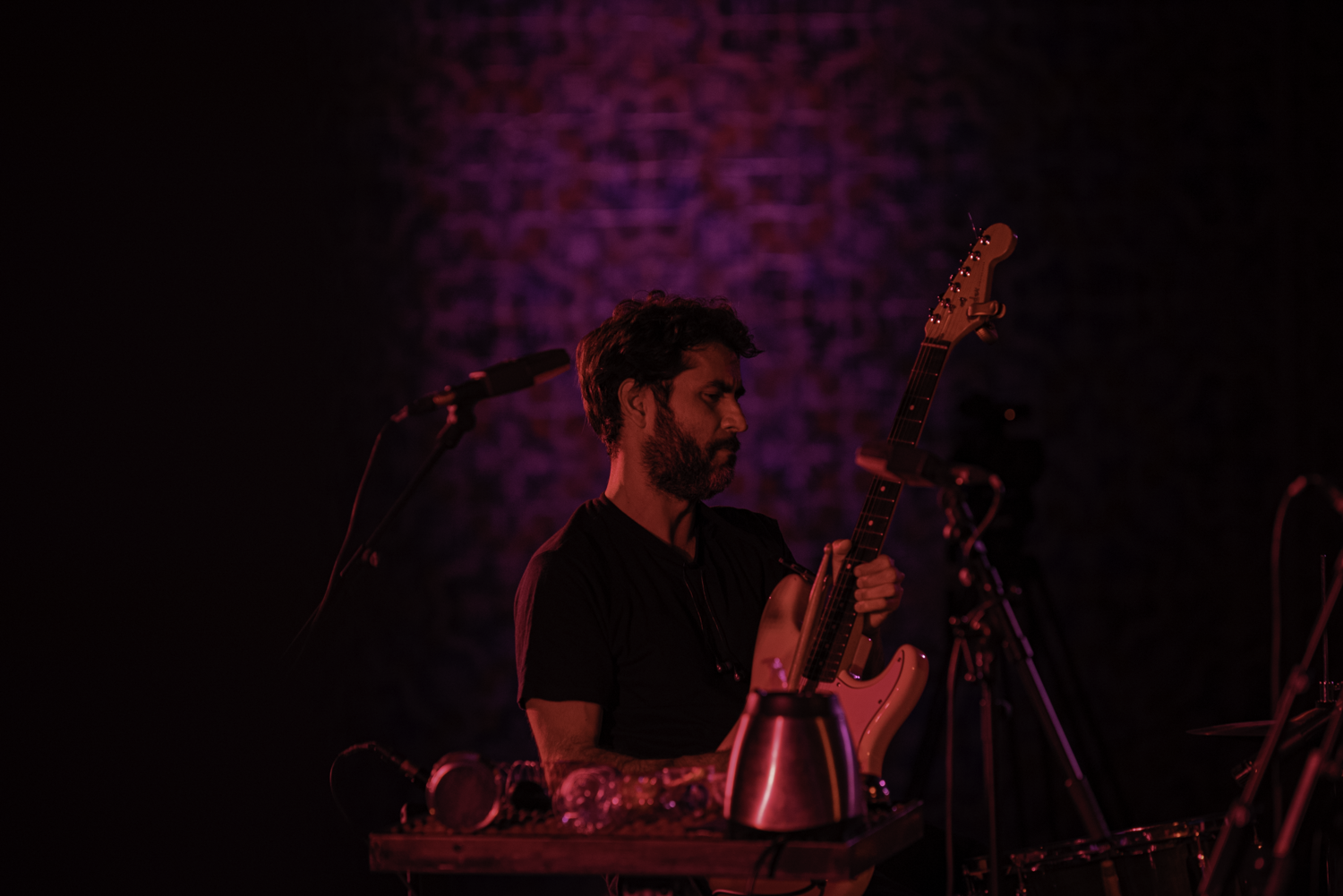
In this concert, Luís Bittencourt proposes an expanded approach to musical creation, drawing on everyday objects and materials – frequently overlooked or discarded – as central sound sources.
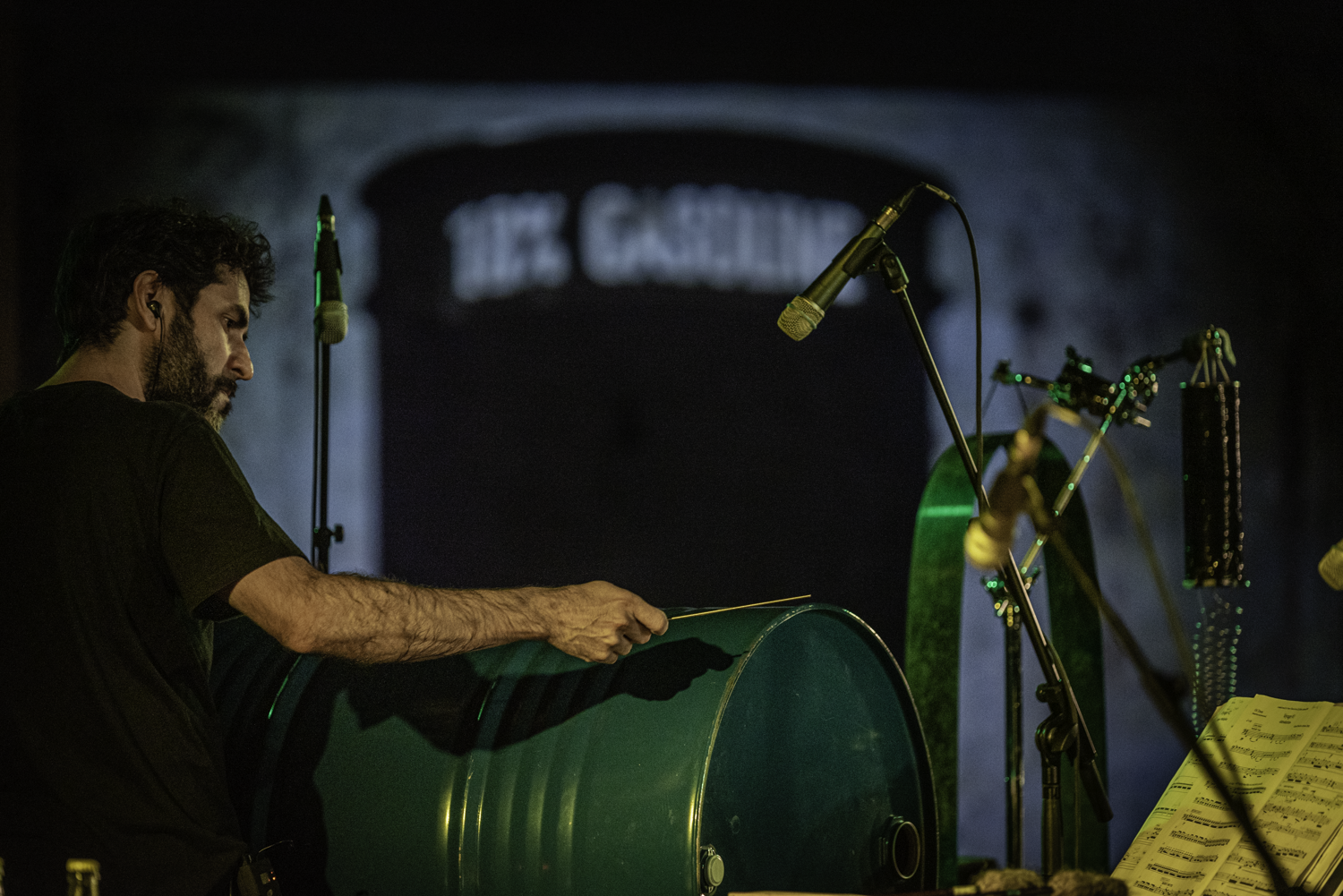
Metal barrels, plastic bags, glass bottles and other unconventional elements are reconfigured as instruments, giving rise to a sonic universe that pushes the boundaries between music and noise, between the artistic and the utilitarian.
More than a timbral exploration, this is an aesthetic and political gesture: shifting the value of materials, reactivating listening and questioning the criteria that legitimise what is, or is not, recognised as music.
The concert features the seminal work Import/Export: Percussion Suite for Global Junk by British composer Gabriel Prokofiev, with videos created specifically for the project by Portuguese artist Flávio Almeida, alongside Xcuse Me While I Kiss the Sky, by Pedro Junqueira Maia, an unlikely encounter between the sonic worlds of John Cage and Jimi Hendrix (including a cadenza for electric guitar, noise, and feedback).
With this concert, Luís Bittencourt invites reflection on the aesthetic (and at times static) and dominant ideals that separate music from noise, musical sounds from non-musical sounds, and art from everyday life.


Architectures of Water
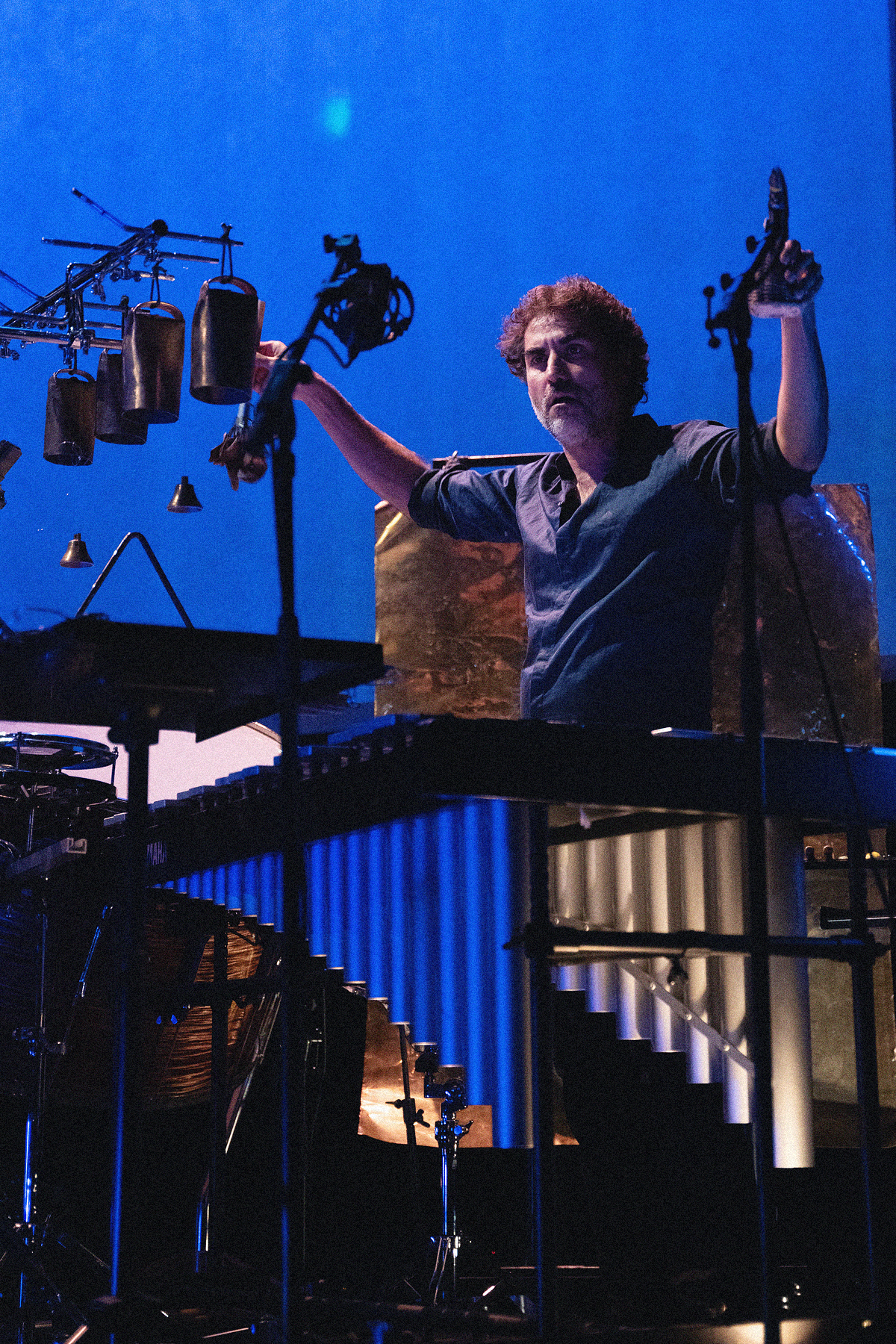
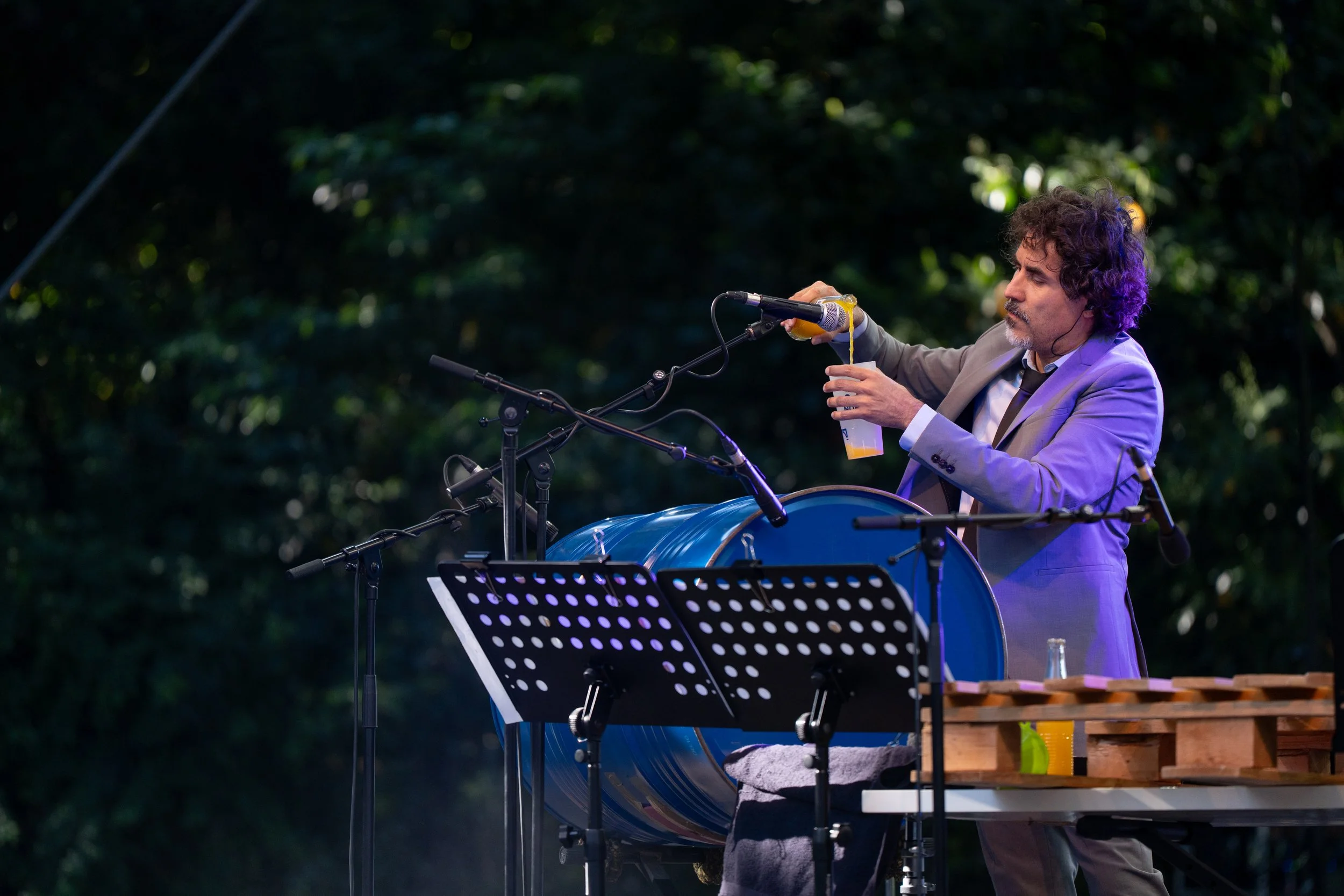
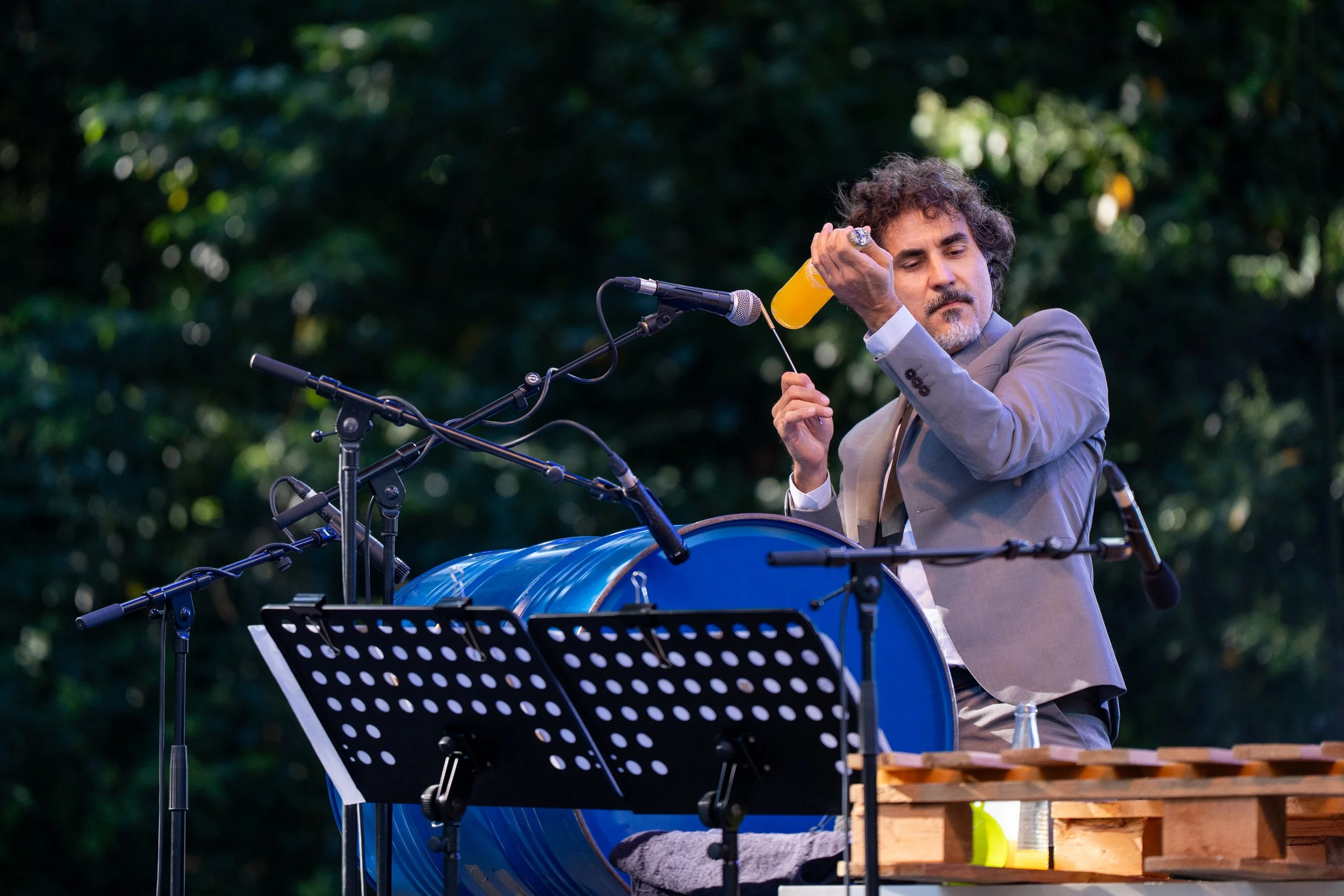
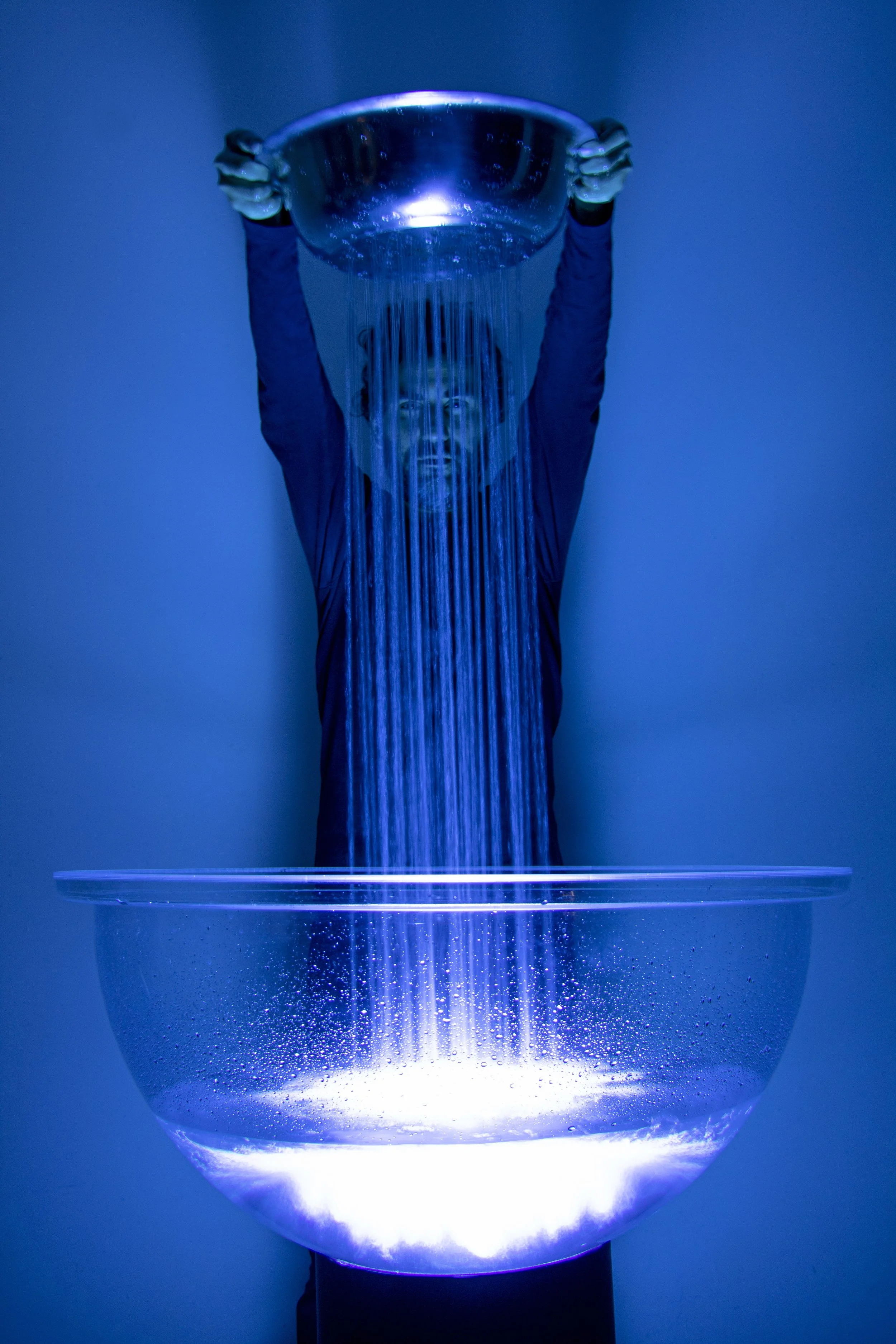
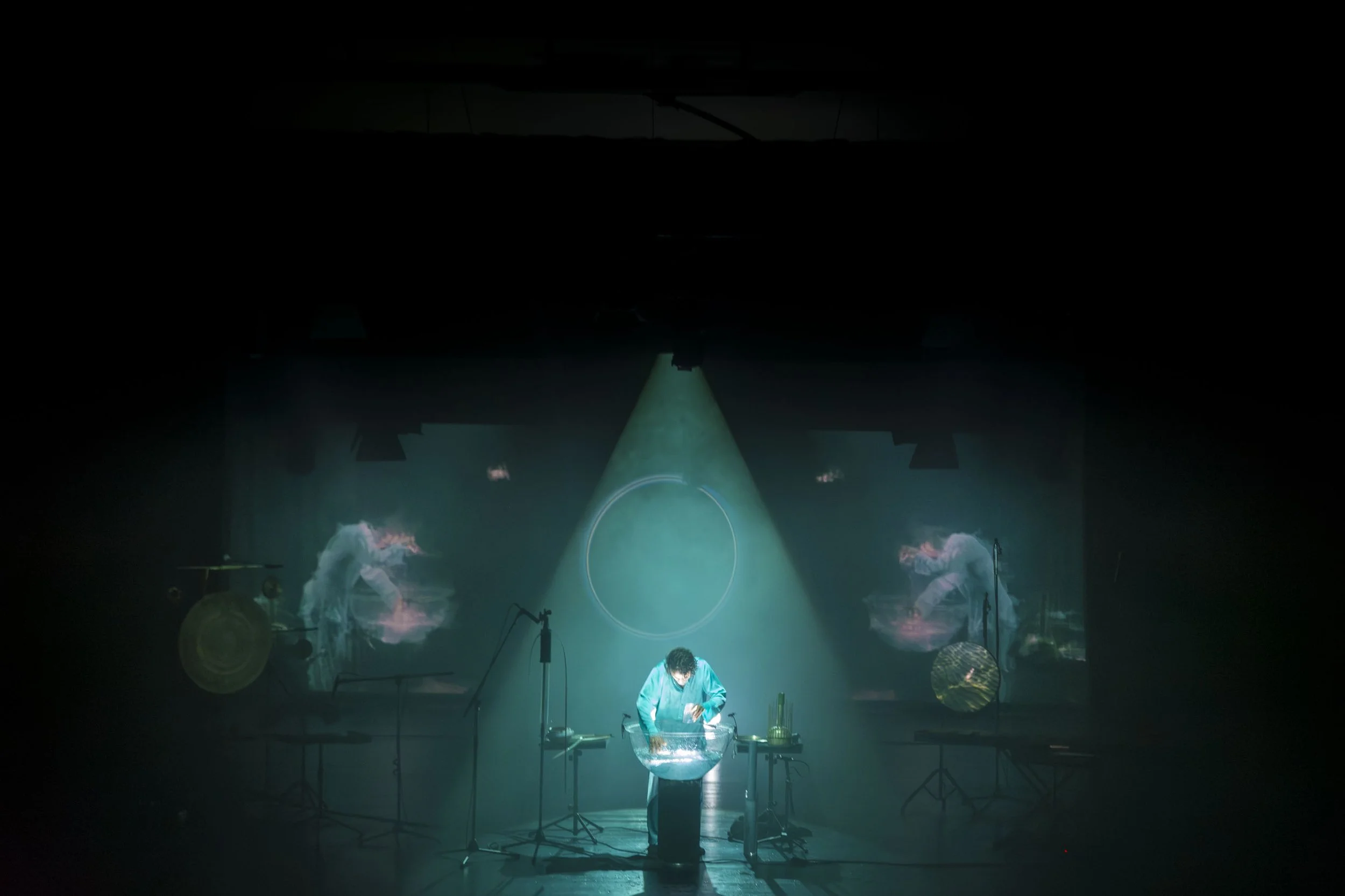
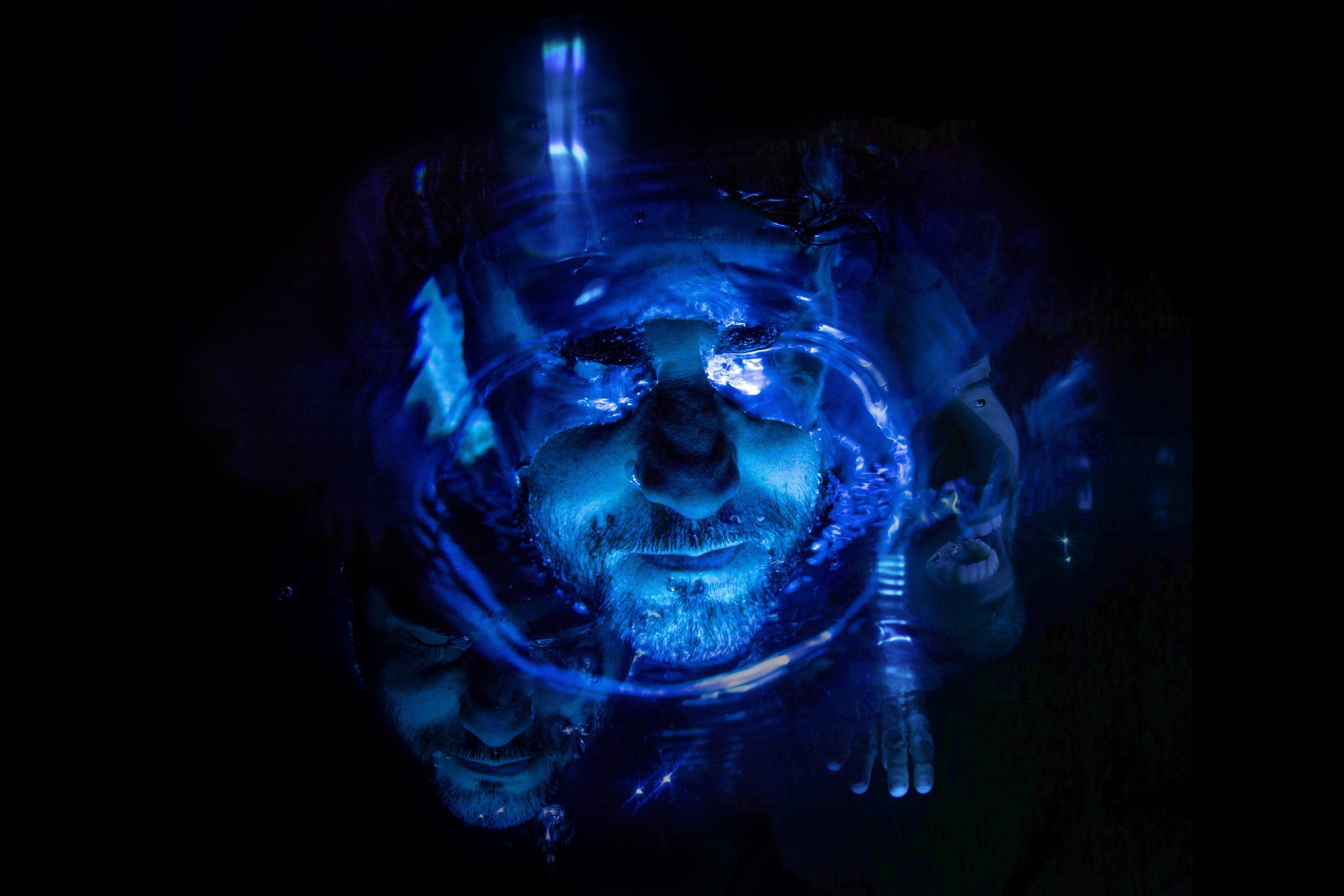
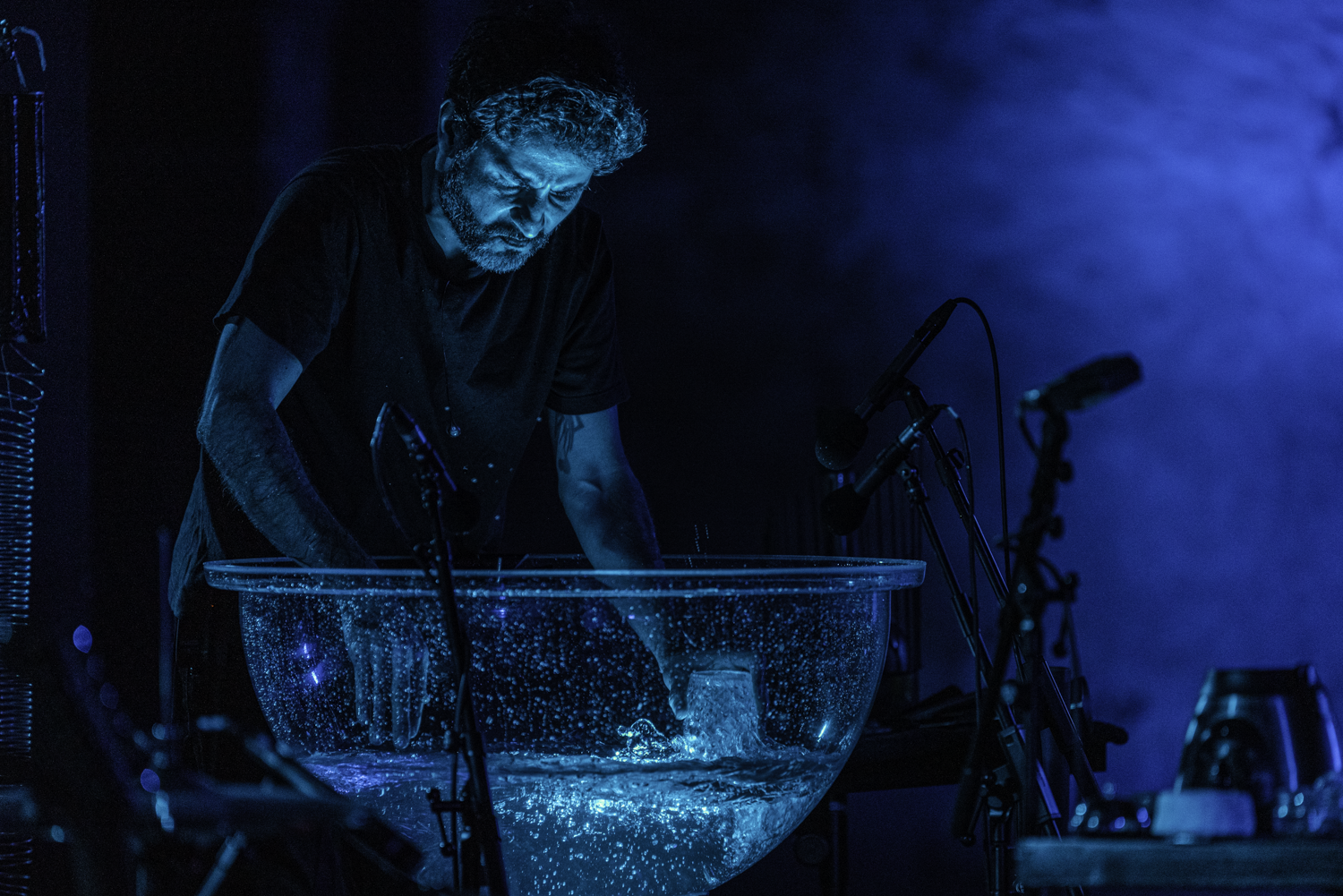
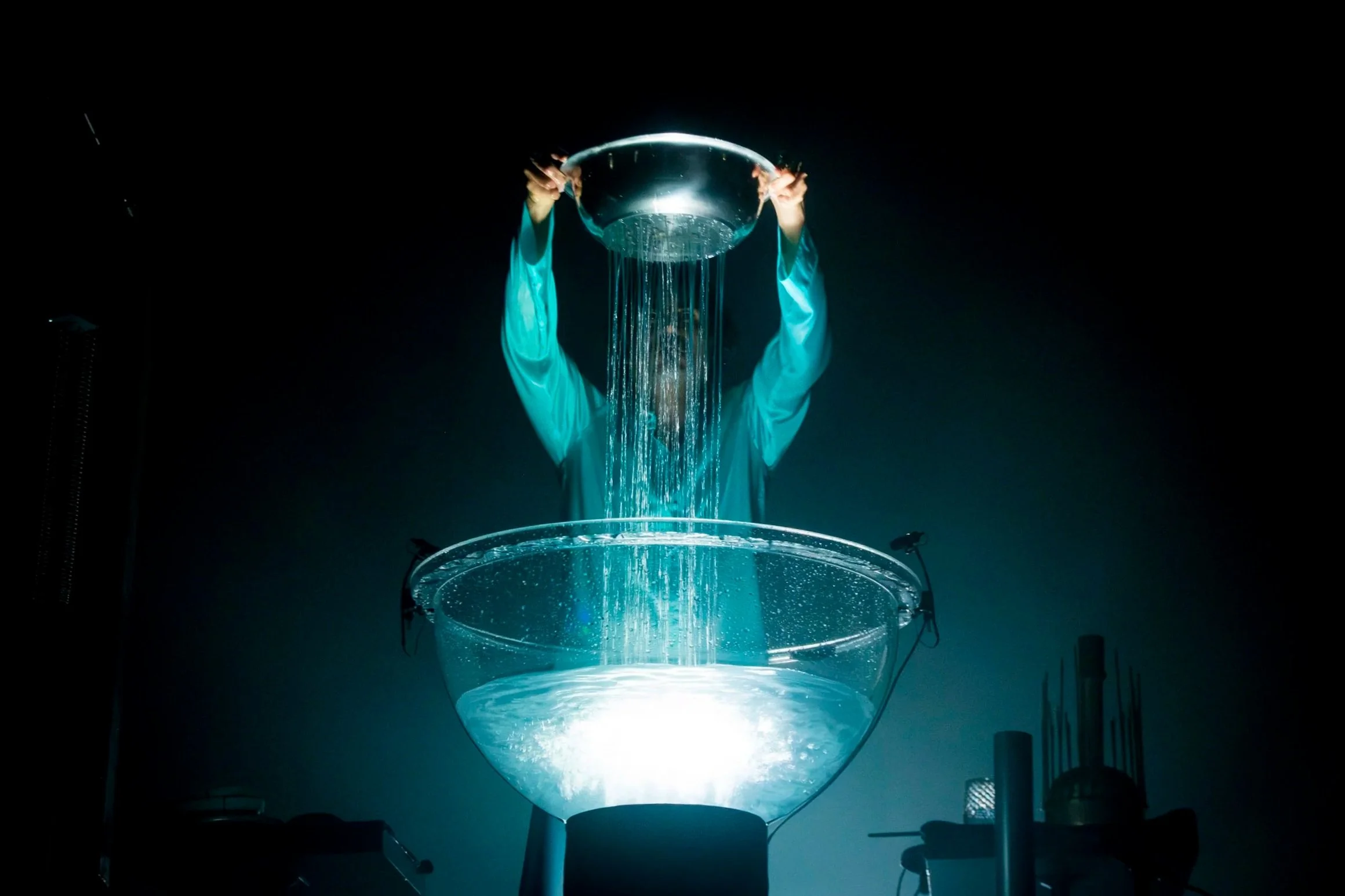
Architectures of Water is a performative concert by Luís Bittencourt exploring water as instrument, sonic material and poetic device through five works entitled Water Music by John Cage, Tōru Takemitsu, Joseph Byrd, Tan Dun and Rui Penha.
Positioned between concert performance, sound art and acoustic installation, the project traverses multiple approaches to water within experimental and contemporary music, combining expanded instrumentation, electronics, amplification, resonant objects and digital technologies. The programme creates a dialogue between historical avant-garde works and contemporary creation, revealing water as a territory of listening, gesture and transformation.
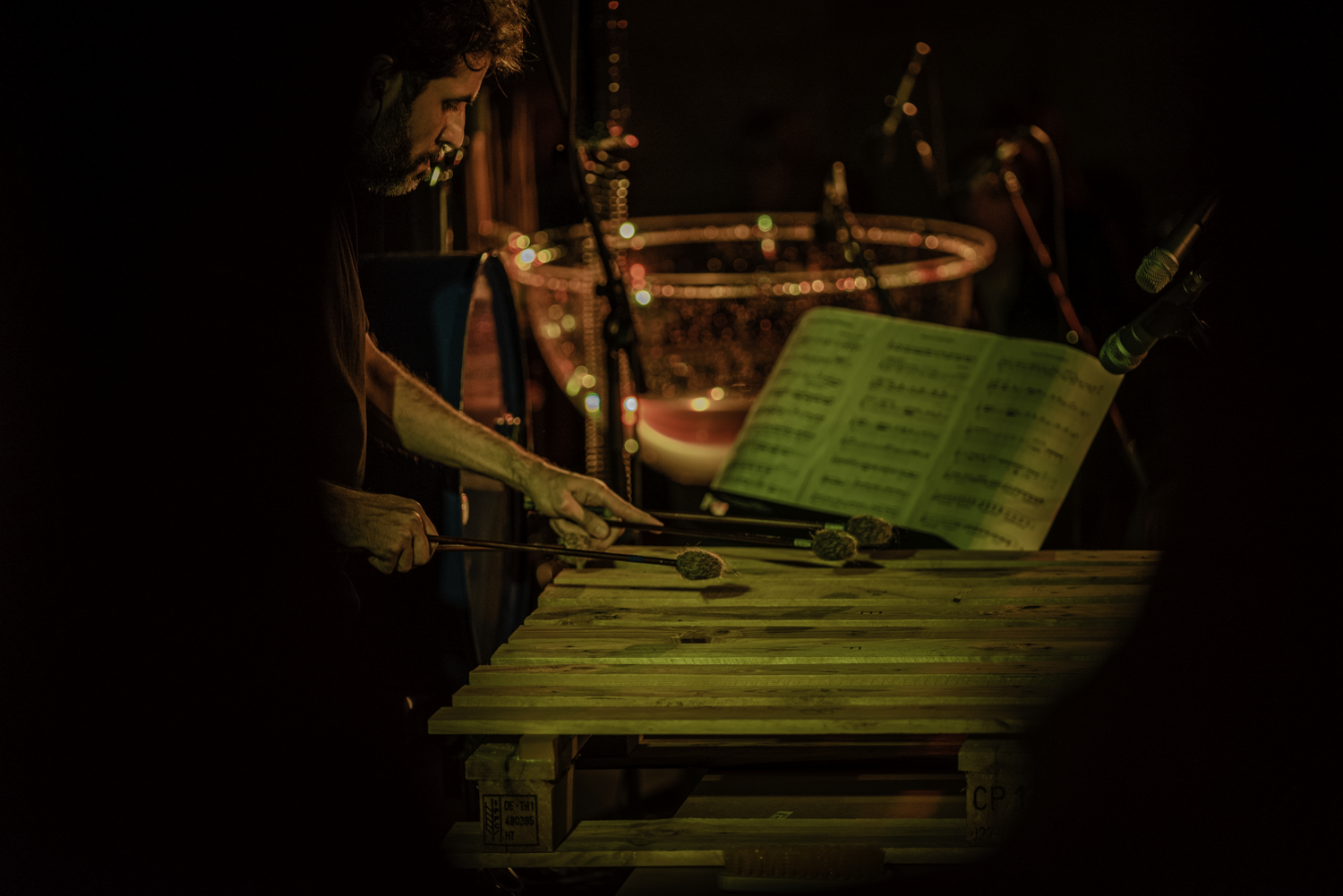
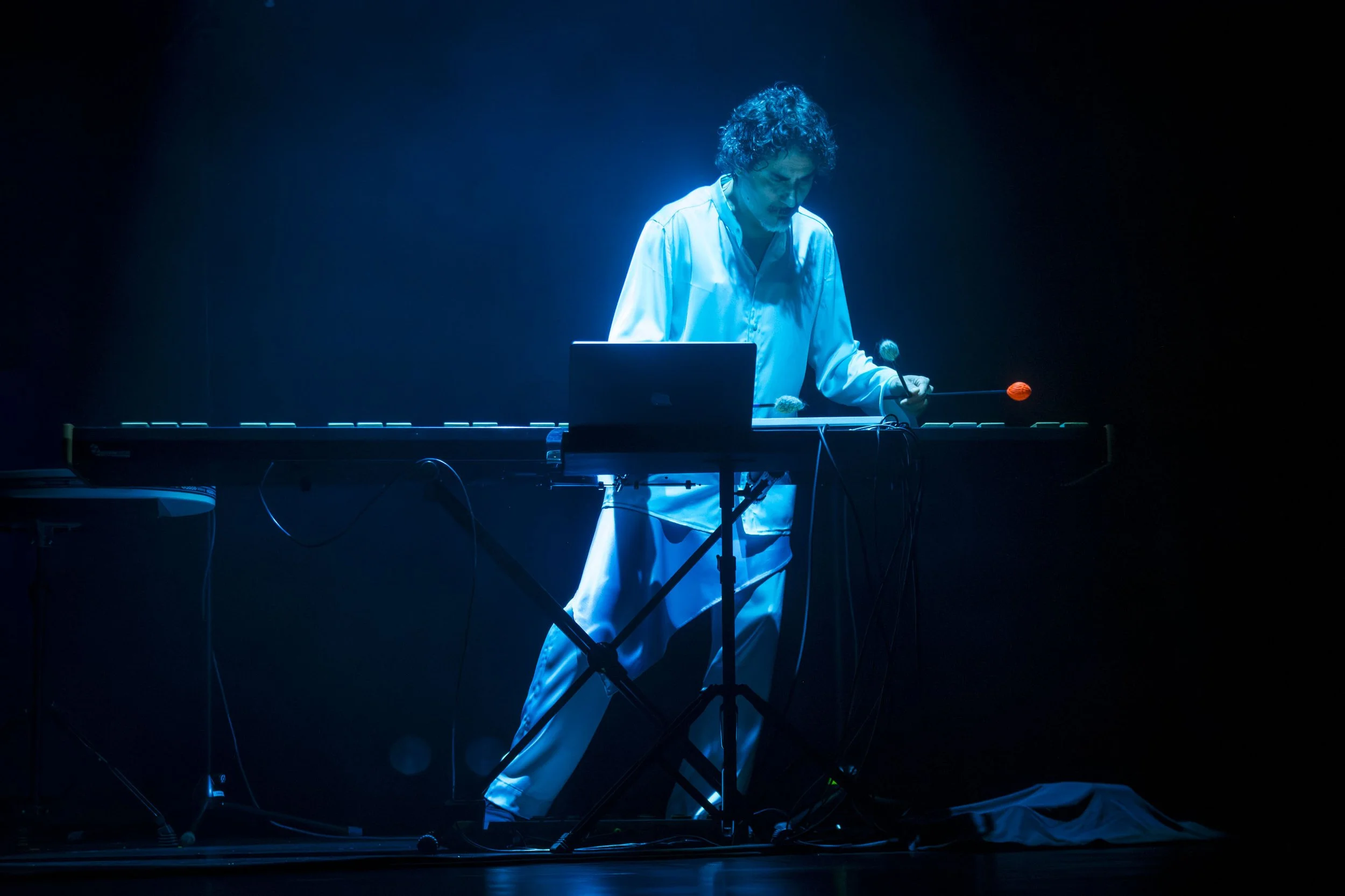
The repertoire features John Cage’s iconic Water Music (1952), a landmark of indeterminacy and expanded performance practice; a newly reimagined performative version of Tōru Takemitsu’s electroacoustic Water Music (1960), adapted by Luís Bittencourt for Xylosynth; Joseph Byrd’s rarely performed Water Music (1968), originally dedicated to Max Neuhaus and centred on amplified water sounds, metallic resonances and sonic spatialisation; and a new work by Rui Penha conceived specifically for this performative context.
The performance also includes a solo adaptation of Tan Dun’s Water Music, originally written for percussion quartet. Developed through more than fifteen years of artistic research by Luís Bittencourt into the sonic, performative and ritual potential of water as a musical instrument, this version expands the boundaries between body, matter, gesture and technology.
Architectures of Water offers an immersive and visually striking experience, particularly suited to contemporary music venues, interdisciplinary festivals, sound art contexts and unconventional performance spaces.
Instrumentality
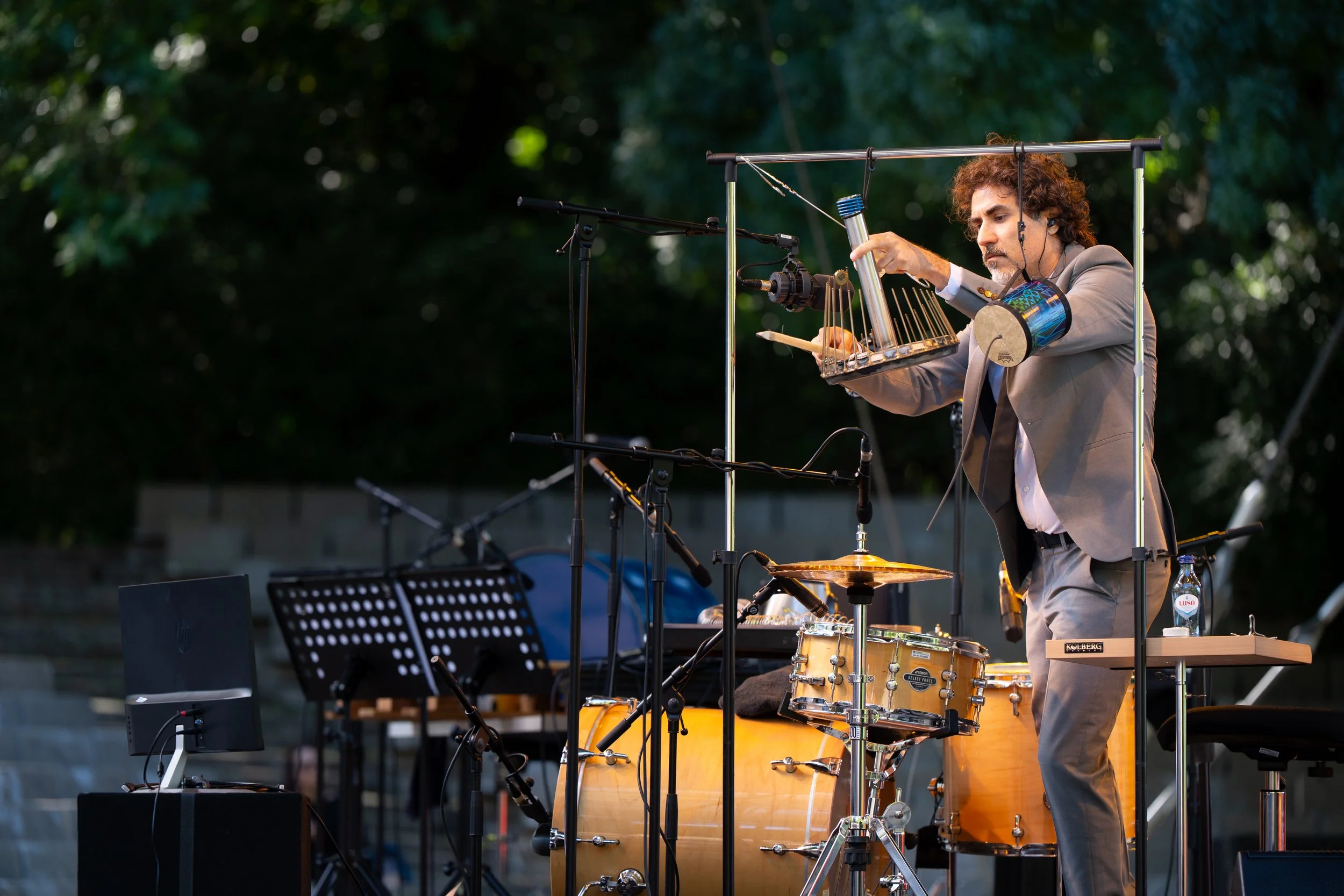
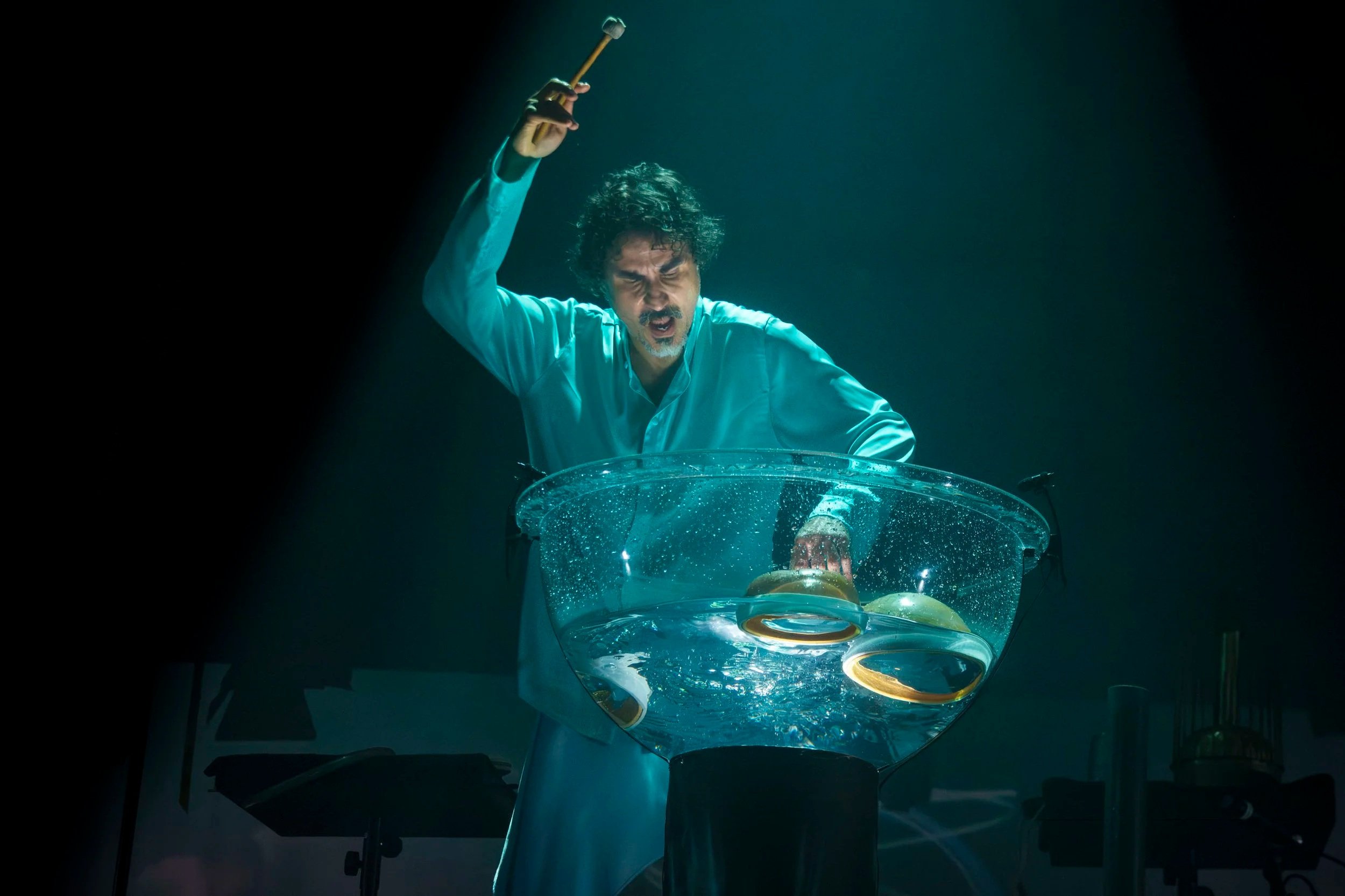
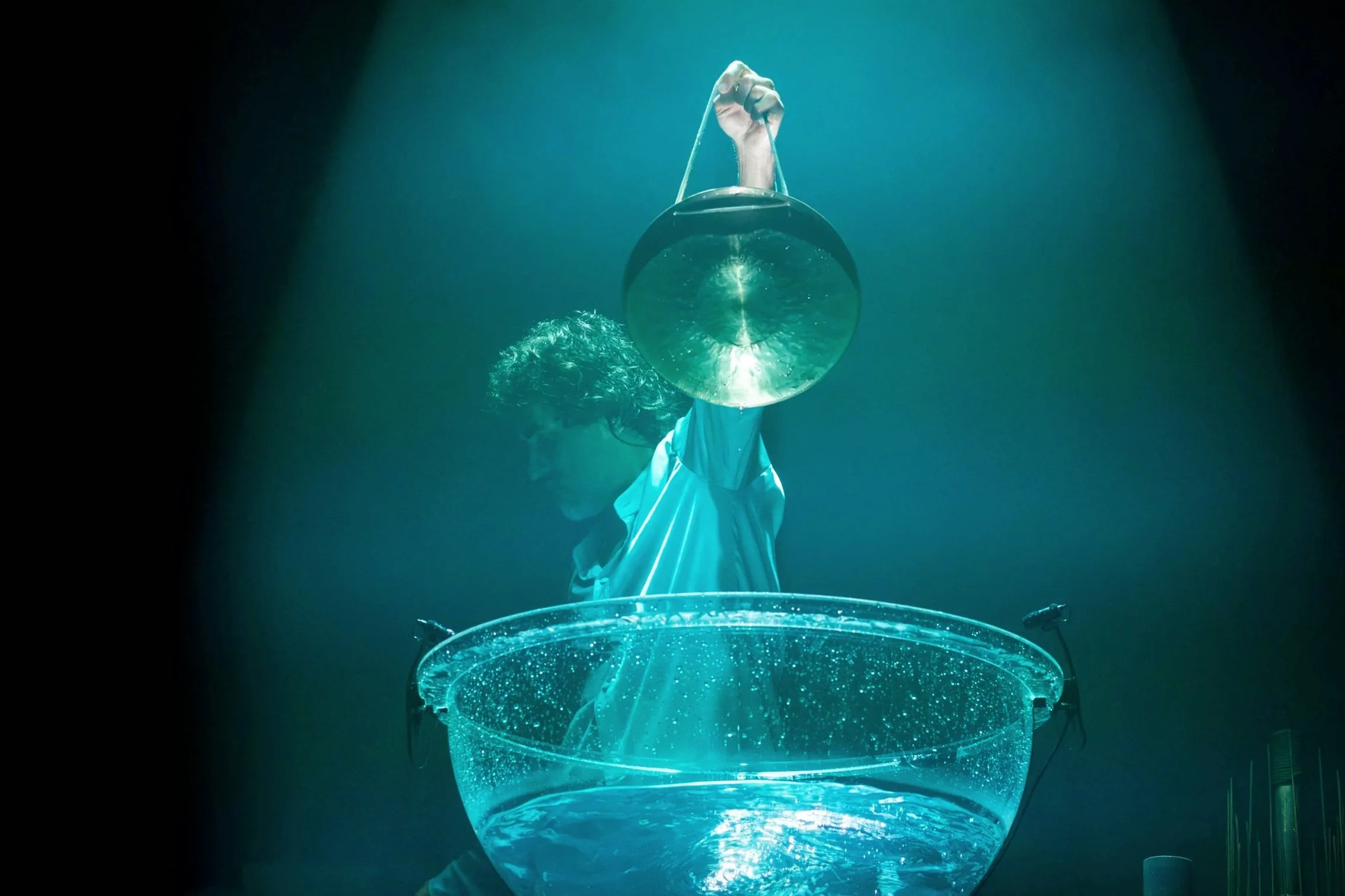
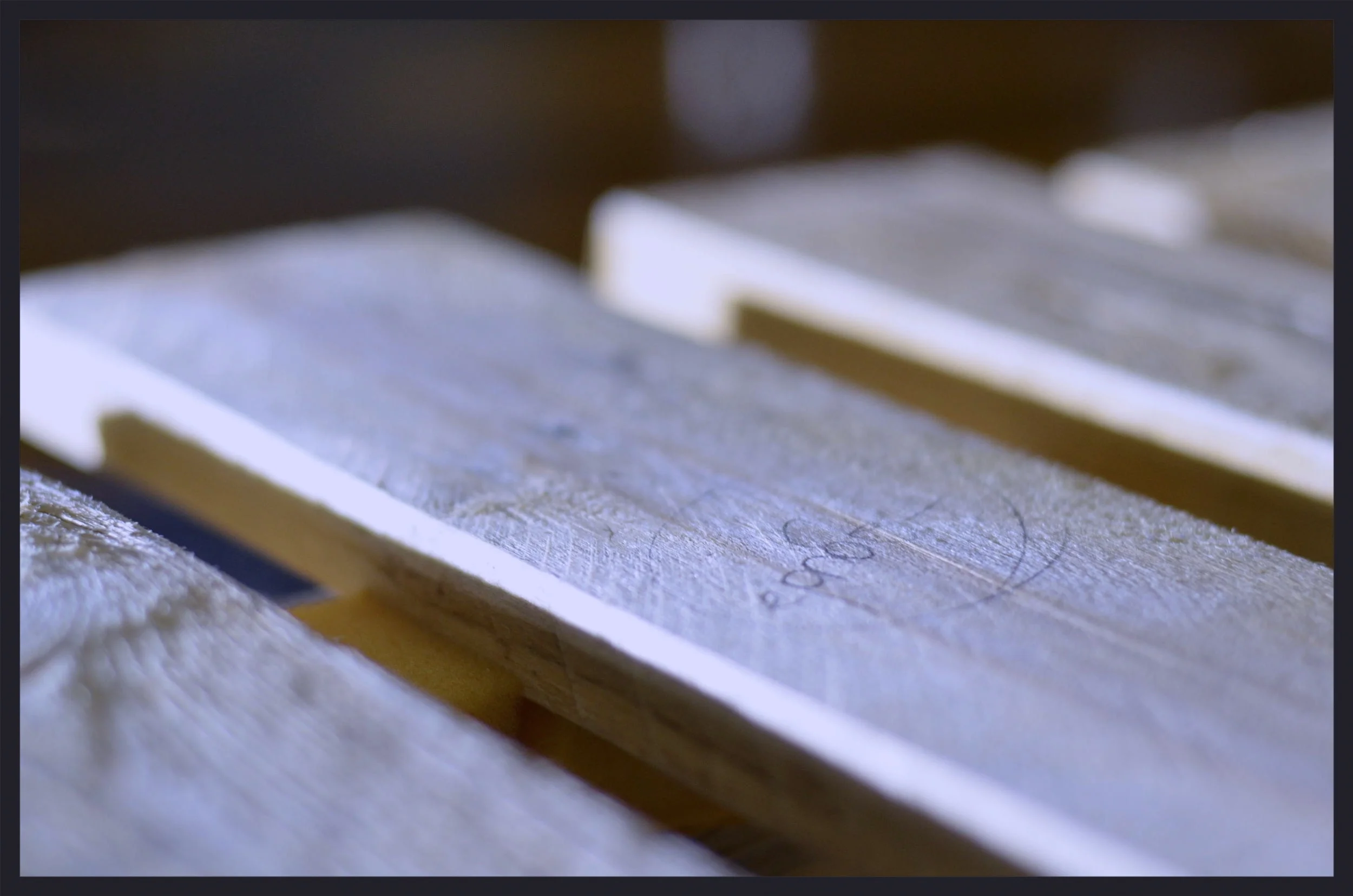
"Instrumentality" presents a solo concert that delves into the concept of instrumentality, challenging conventional notions of musical instruments and exploring the inherent potential of everyday objects. Beyond mere functionality, this innovative performance introduces audiences to the concept of instrumentality, wherein the sonic capabilities of diverse materials are revealed.
Through a blend of inventive techniques, ordinary and unconventional objects are transformed into instruments, each with its own unique voice and expressive qualities. Across a diverse repertoire of musical works and compositional styles, audiences are treated to a symphony of sounds that showcase the inherent instrumentality of these materials. From the familiar to the unexpected, "Instrumentality" invites listeners on a captivating journey through the sonic possibilities of the world around us.
Live Cinema / Live Film Scoring
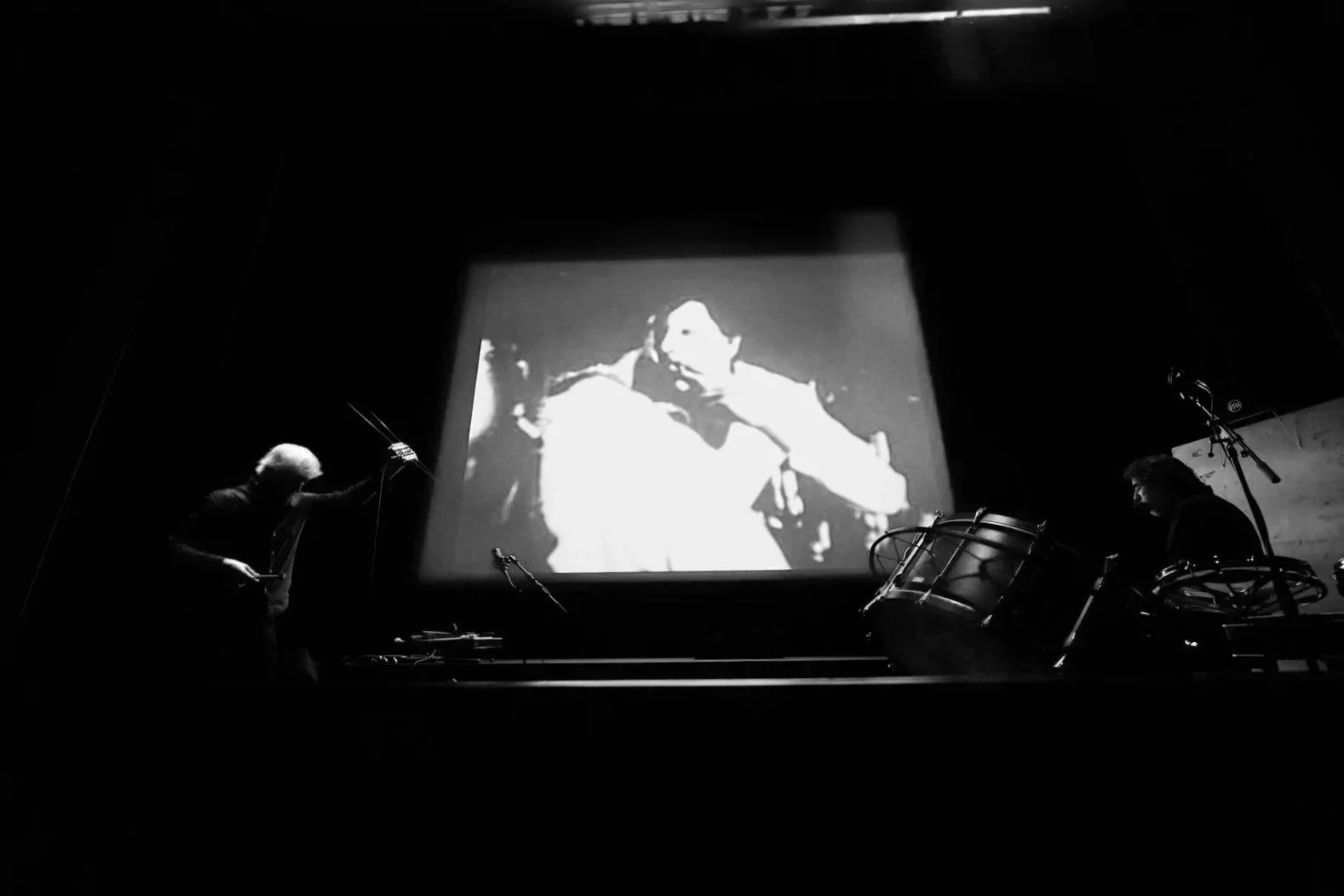
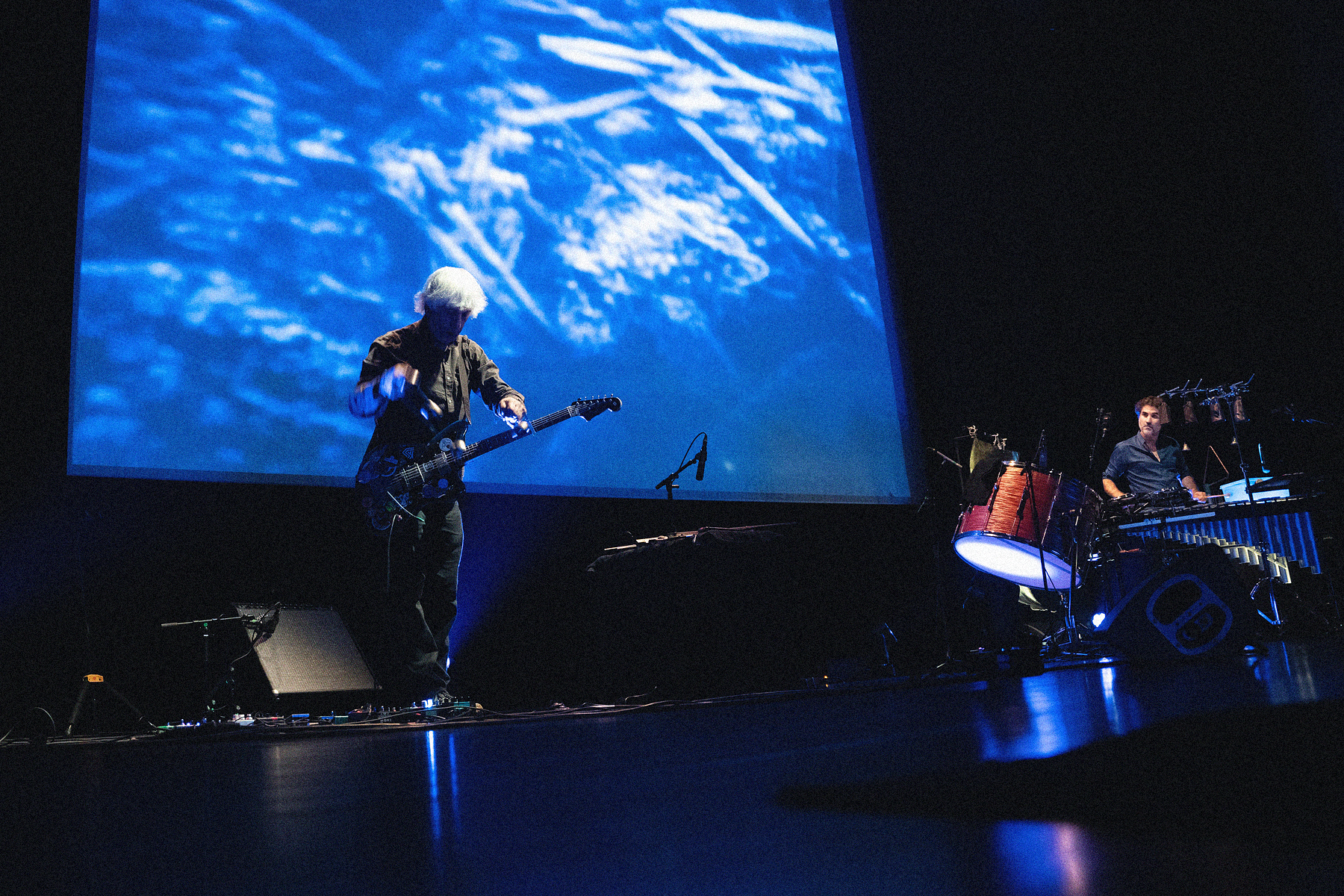
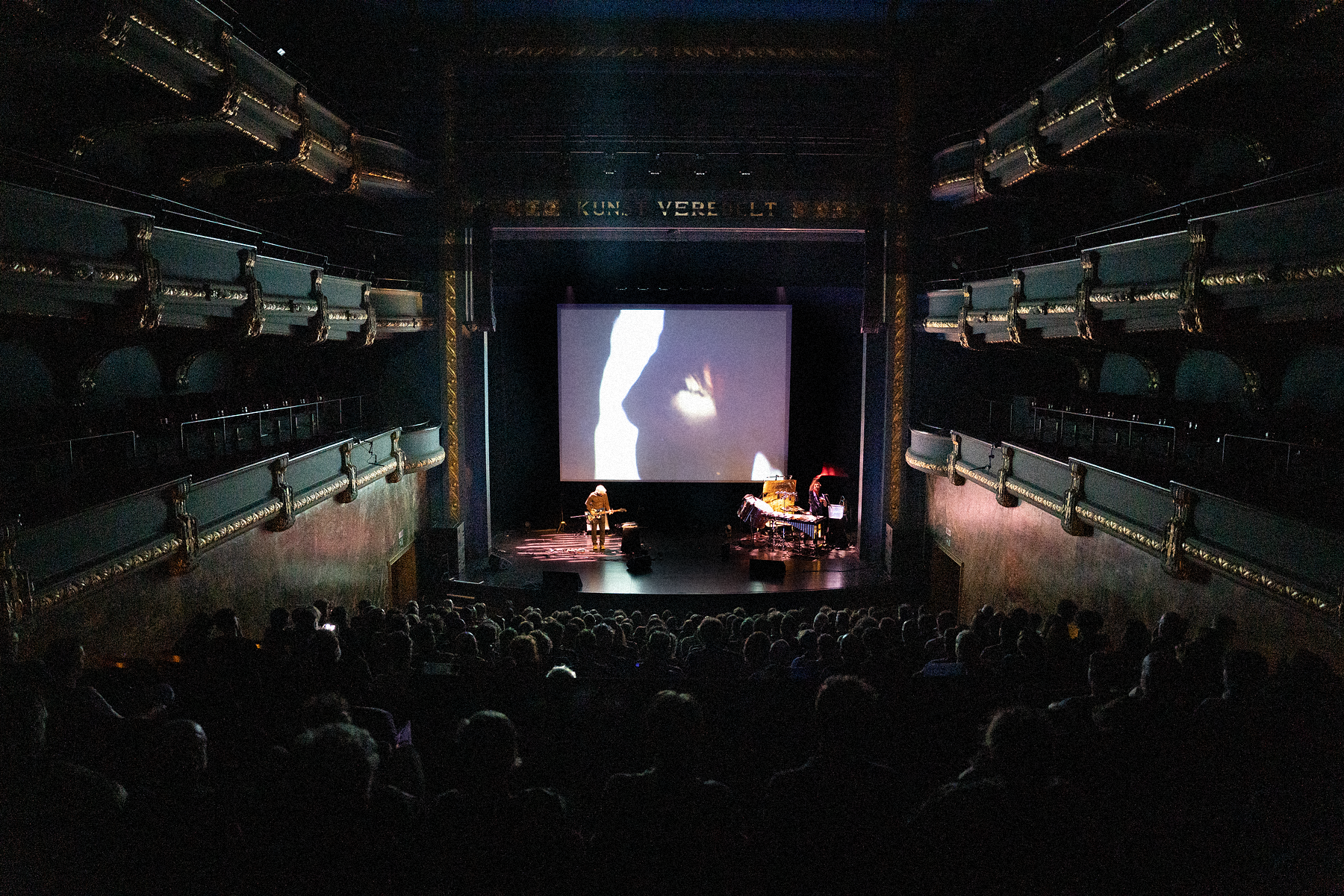
Luís Bittencourt develops projects focused on the creation and live performance of original film scores, working at the intersection of composition, improvisation, sound art and experimental performance. His cine-concerts establish an immersive and organic relationship between image and sound, transforming each screening into a unique live experience shaped in real time through the interaction between film, space and audience.
Drawing from an artistic practice centered on acoustic and electronic instruments, found objects, digital processing and expanded listening, Luís Bittencourt creates sonic environments that move between textural minimalism and highly physical performative intensity, always in close dialogue with the dramaturgy and materiality of the moving image. His approach combines compositional precision, improvisational sensitivity and a strong narrative awareness, resulting in soundtracks that deepen the poetic, emotional and sensory dimensions of cinema.
Alongside his work as a performer and composer, Luís Bittencourt has an established career as a researcher and university professor in the fields of composition, experimental performance, musical computing and sound design. This conceptual and reflective dimension gives his projects a critical and contemporary understanding of sound in cinema, allowing them to resonate equally within experimental, auteur-driven and multidisciplinary festival contexts.
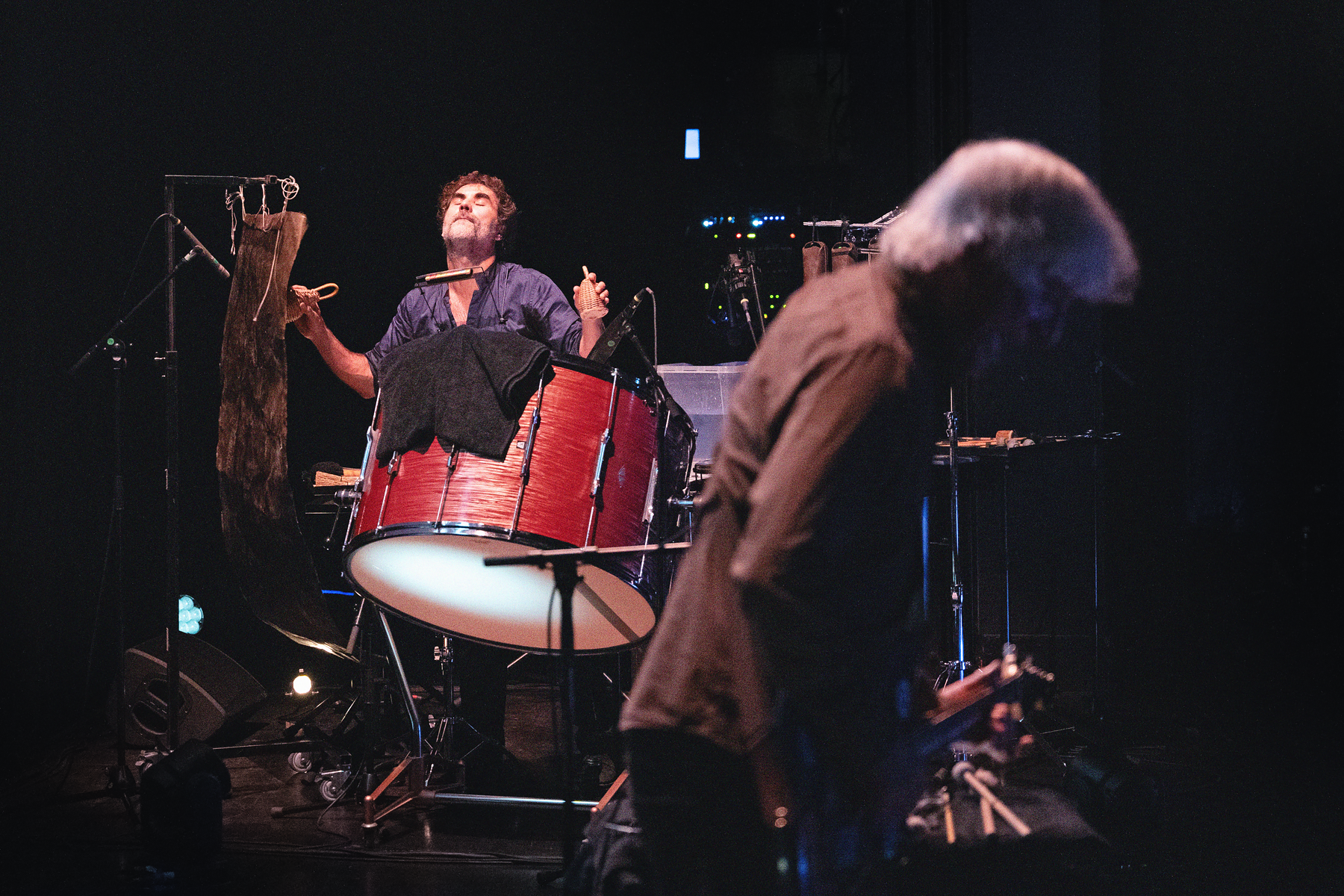
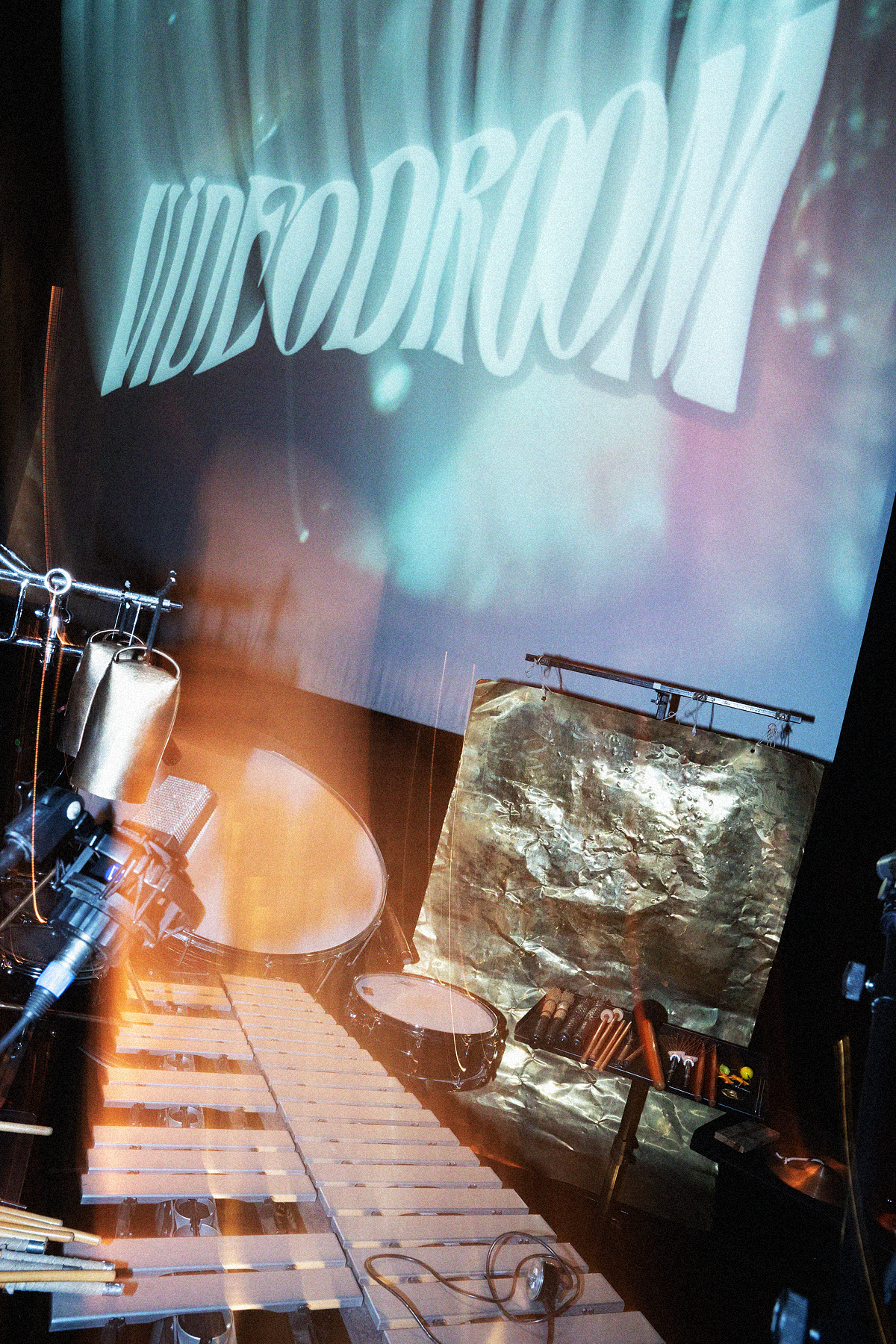
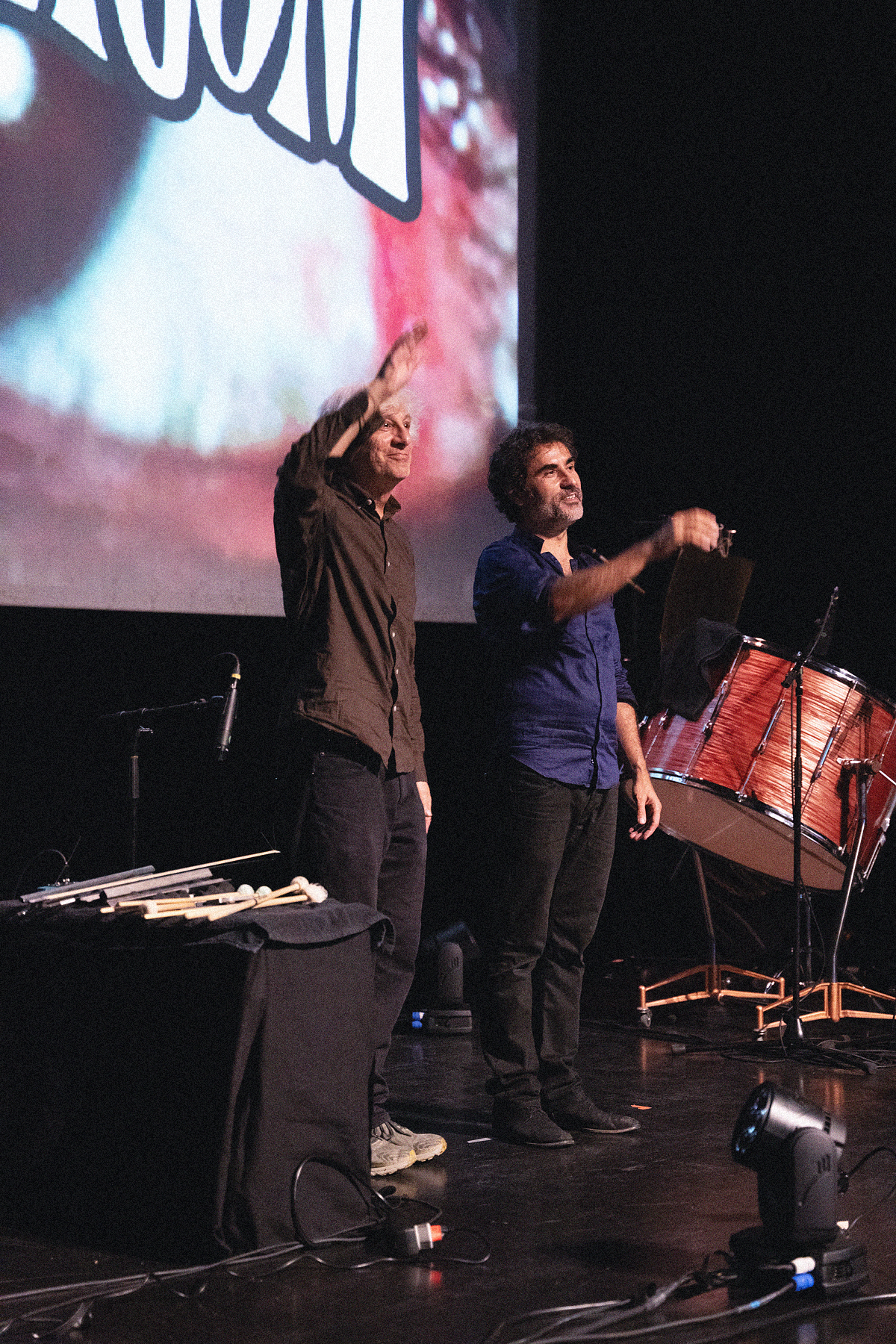
Throughout his career, he has collaborated with internationally acclaimed artists including Lee Ranaldo, and has presented performances and live film scores at prestigious events such as Curtas Vila do Conde in Portugal and Videodroom, part of the Ghent International Film Festival in Belgium.
The projects may take different forms — from fully composed scores to partially improvised live performances — adapting to the aesthetic and conceptual nature of each film. Available for collaborations with film festivals, cinematheques, independent venues and experimental audiovisual projects.
“What a perfect duo. Beautiful, beautiful pair.”
Valter Hugo Mãe, writer, about Luís Bittencourt and Lee Ranaldo’s performance at Curtas Vila do Conde International Film Festival.